By Marcie Flinchum Atkins
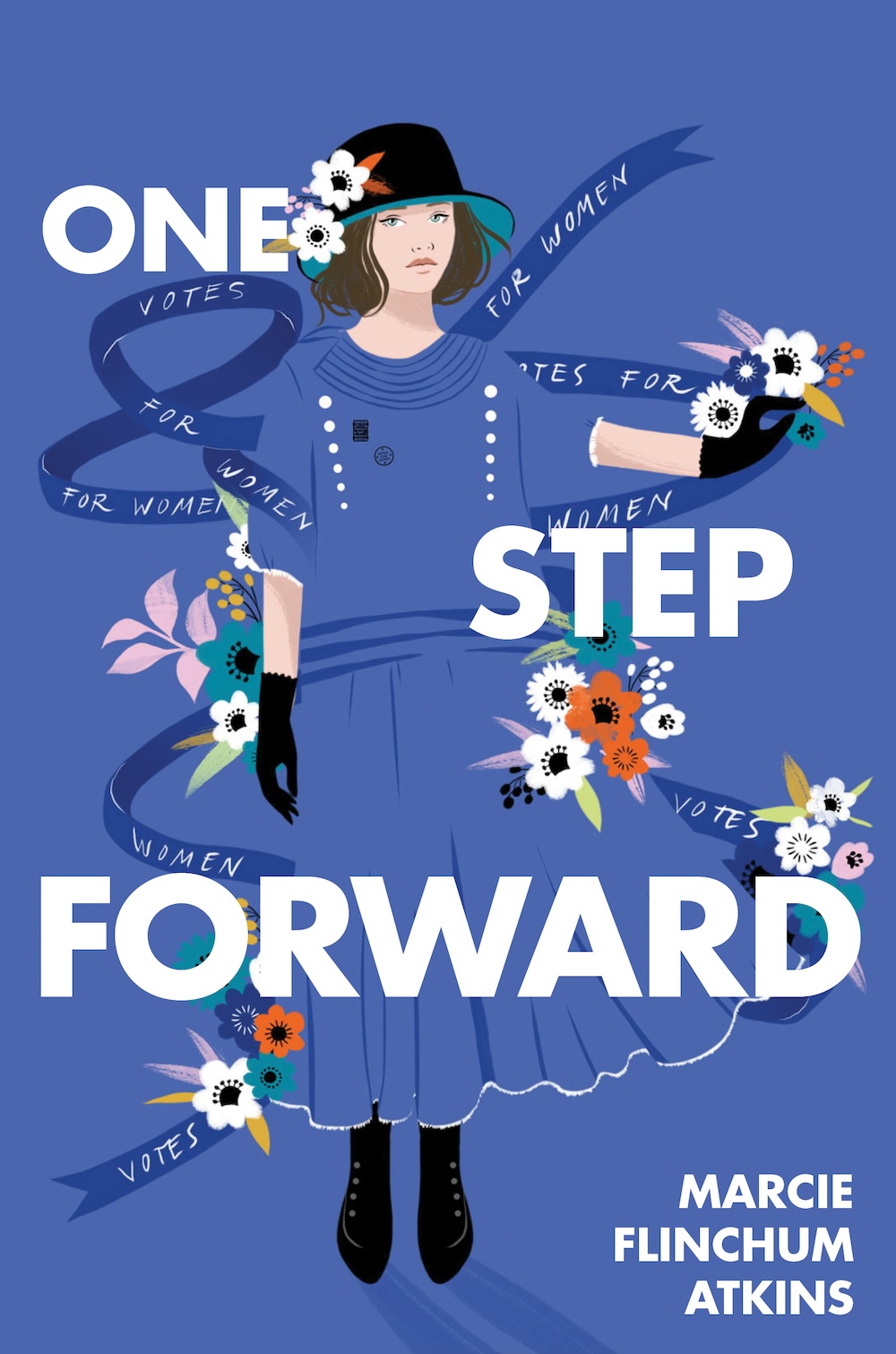
Versify/HarperCollins, March 4, 2025
I didn’t know when I walked into a local museum located in an arts center, that I would be walking into my next book. When we moved from the Roanoke Valley to Northern Virginia in 2015, we learned that the Workhouse Arts Center in Lorton used to be a jail–and that it jailed women who fought for suffrage. I had to see it for myself. The first time I went to the museum, I truly couldn’t believe I’d never heard the story of the suffragists who were abused and force fed for protesting in front of the White House for fighting for the right to vote.
I didn’t feel equipped to tell their story. Who was I to write about suffragists? I only knew about Alice Paul, and I didn’t even know much about her.
By 2017, I gave myself permission to read and research their stories in earnest. I attended several local events that talked about the events at the Occoquan Workhouse. One day, I went on a tour in Washington, DC, and I realized one of the facts the tour guide mentioned about the suffragists was incorrect. At that point I knew I knew enough to write the story–or to at least get started.
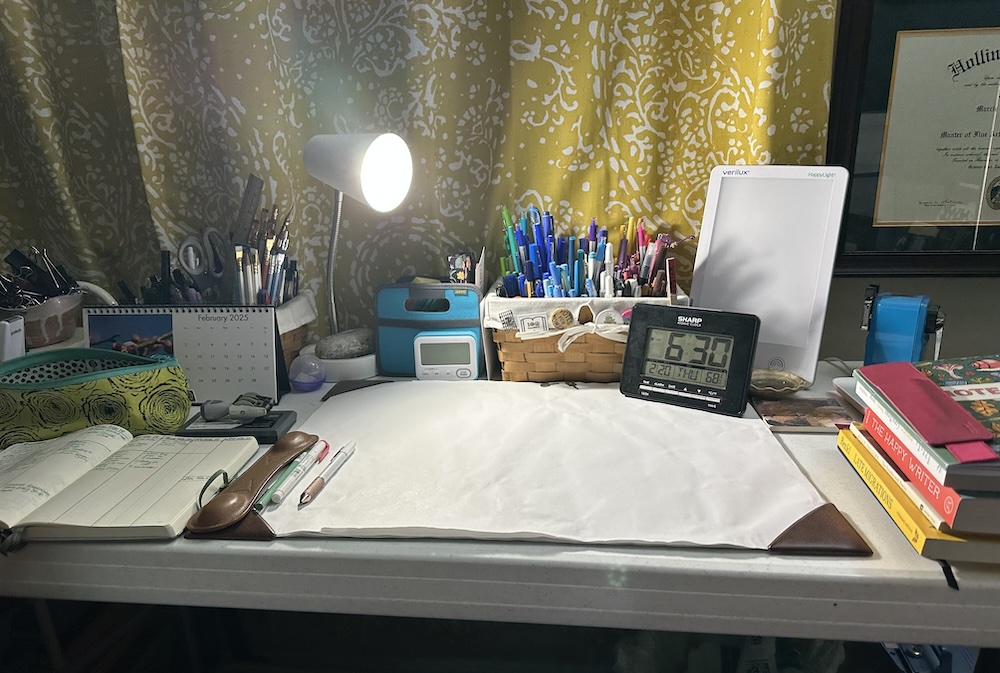
I have an analog desk where I read each morning and write by hand. I write almost all of my poetry and picture books by hand first before moving to the computer.
I wrote One Step Forward from many different points of view. First I wrote it from the “we” voice of a multitude of suffragists, then a draft of 11 different characters’ points of view, and finally I settled on Matilda Young’s point of view.
Matilda Young was the younger sister of a prominent suffragist, Joy Young. Matilda was also the youngest suffragist in a group of women who were arrested at the White House gates in November 1917 and then transported to the Occoquan Workhouse where they were beaten. It later became known as the Night of Terror. Matilda was only nineteen at the time.
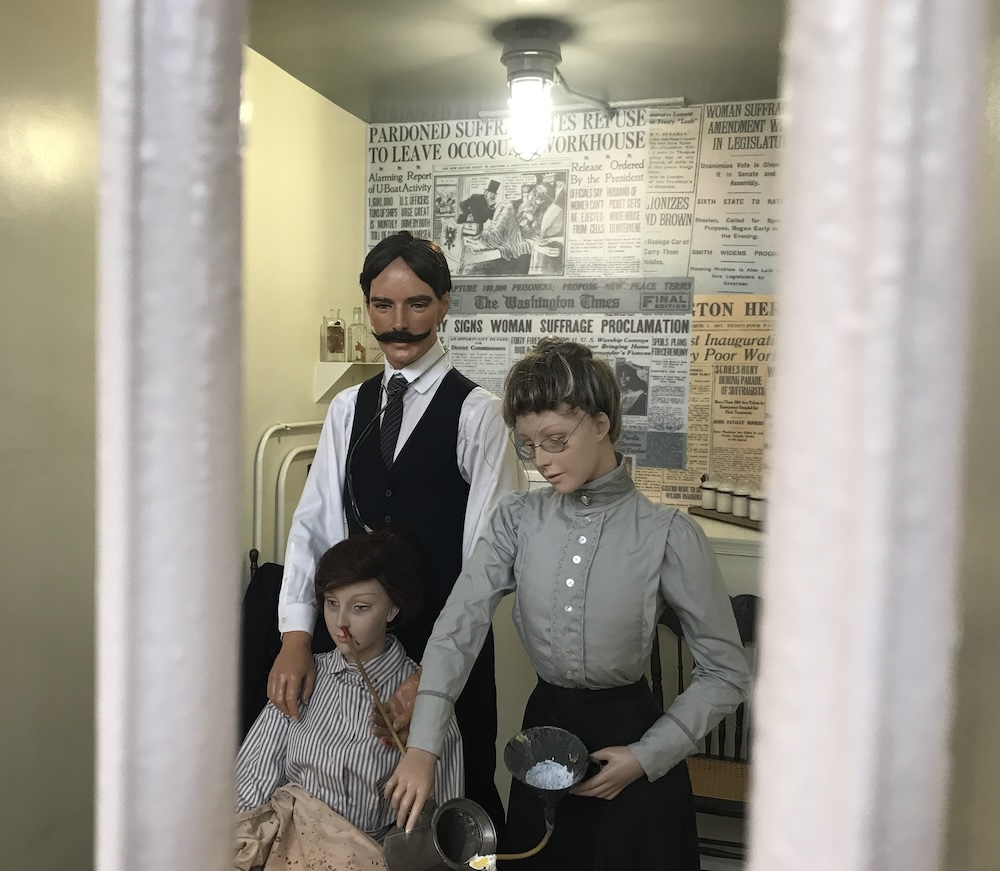
At the Lucy Burns Museum, one display shows how they force fed the suffragists an egg and milk mixture and poured it in a tube down their throats.
One thing that never changed in the process of writing the story was the verse aspect. I knew the story–full of gritty details and emotions–needed to be told in verse.
The inspiration for this story was in my backyard (or about 10 miles away) at the Occoquan Workhouse (now The Lucy Burns Museum). More than that, I was able to do almost all of the research in my local area. I walked the neighborhoods between Matilda’s Washington, DC high school and her home on 18th Street NW and the 1913 Woman Suffrage Procession route down Pennsylvania Avenue. I stood at the White House gates and at Lafayette Square where they protested. I went to the Belmont-Paul Women’s Equity Museum on Capitol Hill, and went through the National Woman’s Party papers at the Library of Congress.
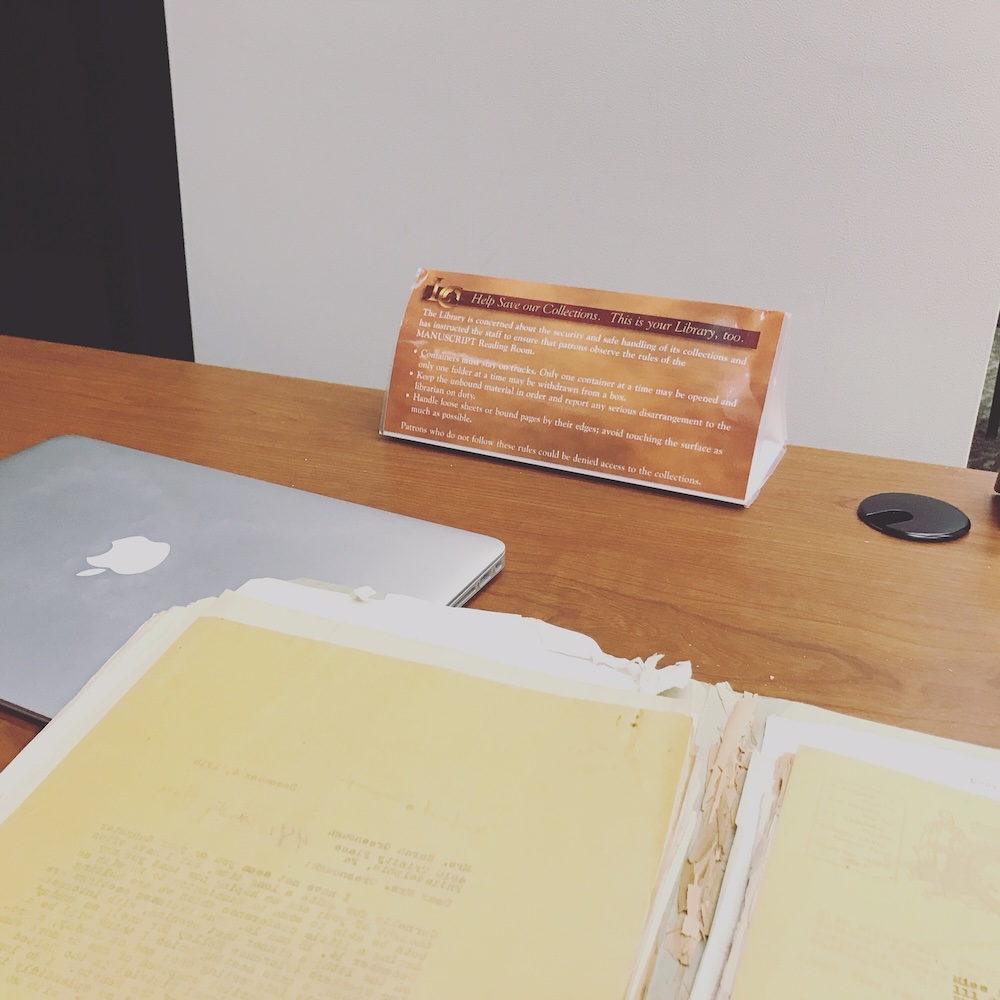
Going through the National Woman’s Party papers at the Library of Congress Manuscript Reading Room.
The story covers seven years of Matilda’s journey from the 1913 Woman Suffrage Procession to the 1920 election. My journey of researching, writing, revising, and getting the book into the hands of readers spanned from 2017-2025–another seven year journey.
One Step Forward comes out from Versify/HarperCollins on March 4, 2025.
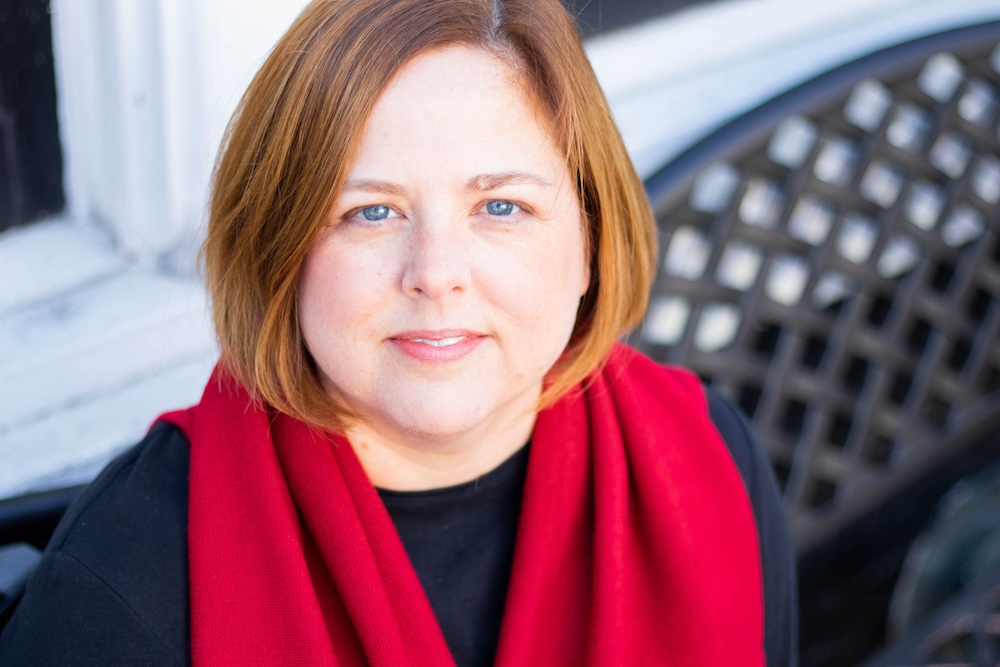


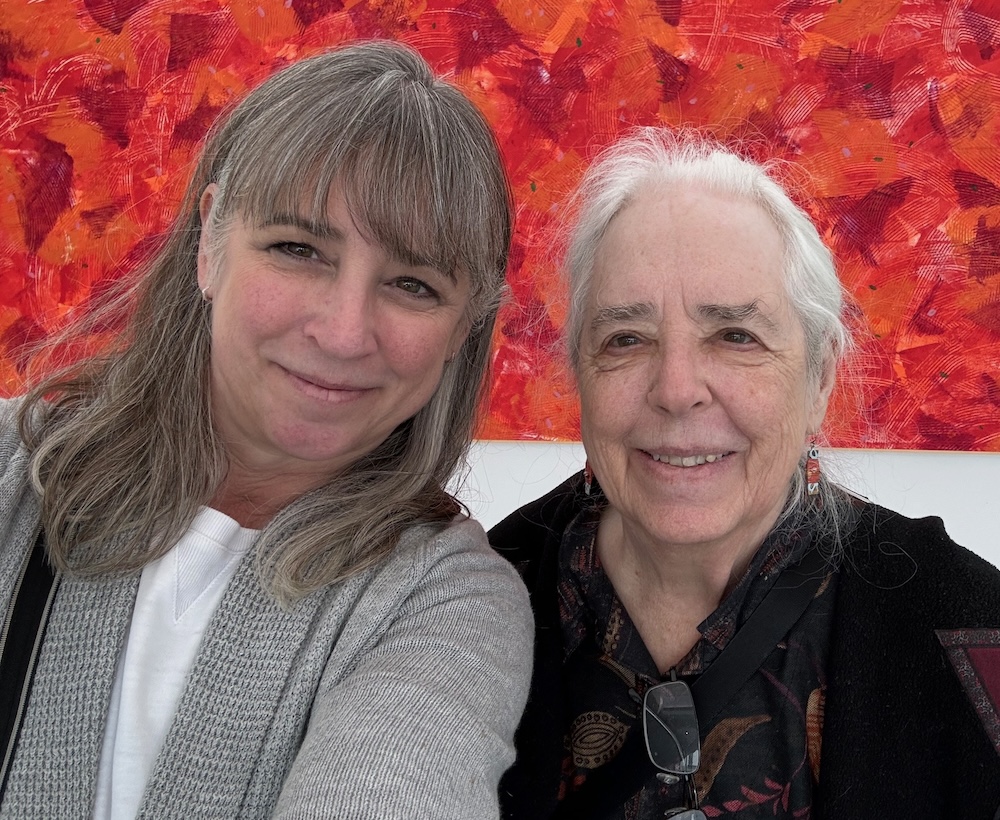
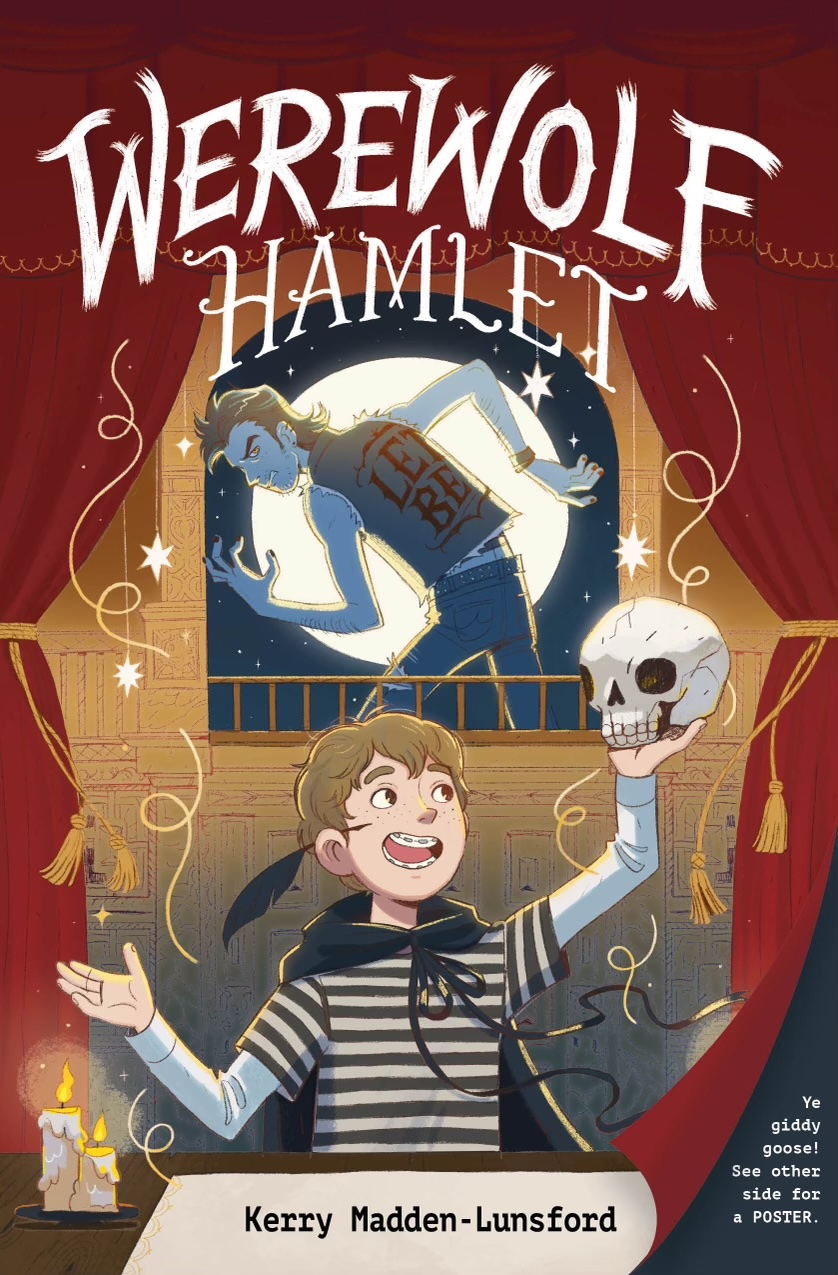
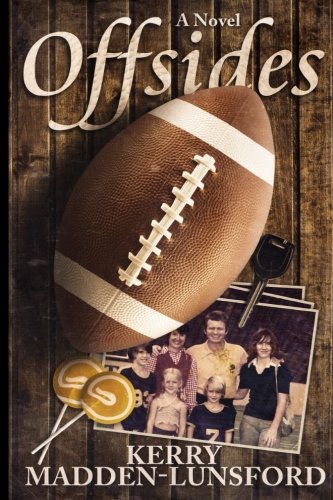 My new children’s novel, Werewolf Hamlet, is coming out into the world. It’s my most personal novel aside from Offsides, which came out, almost thirty years ago in 1996 and was a New York Public Library Pick for the Teen Age in 1997. My older kids were six and eight when Offsides was published, and I remember Doug Dutton of Dutton’s books in Brentwood kneeling down to help my son with his necktie. Flannery wanted to wear a tie to my signing at Dutton’s, and my husband was driving from his teaching job in South Central to meet us, so he couldn’t do it, and I couldn’t figure out how to do it on our rush to drive to the Westside in LA traffic from Silver Lake.
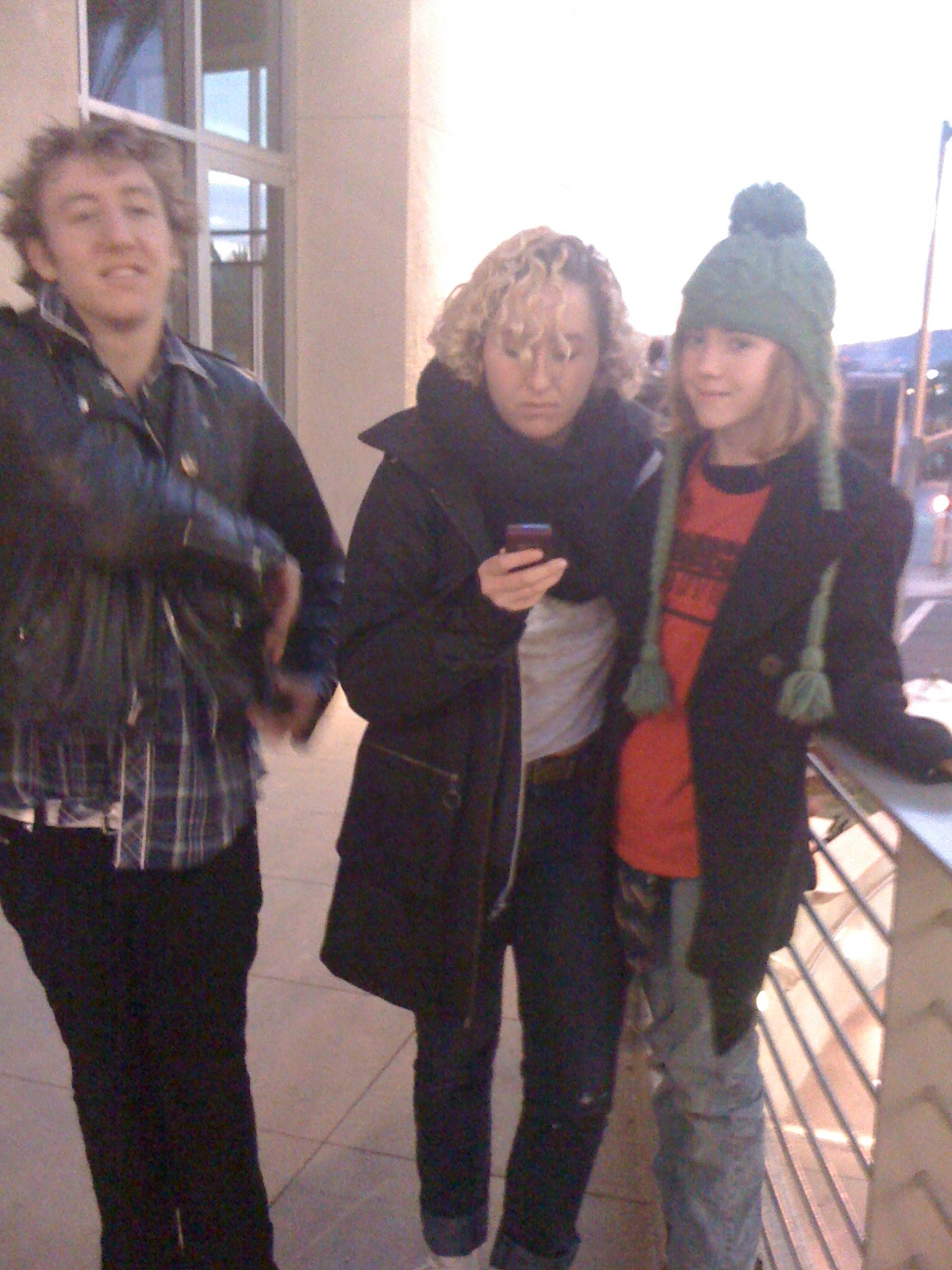
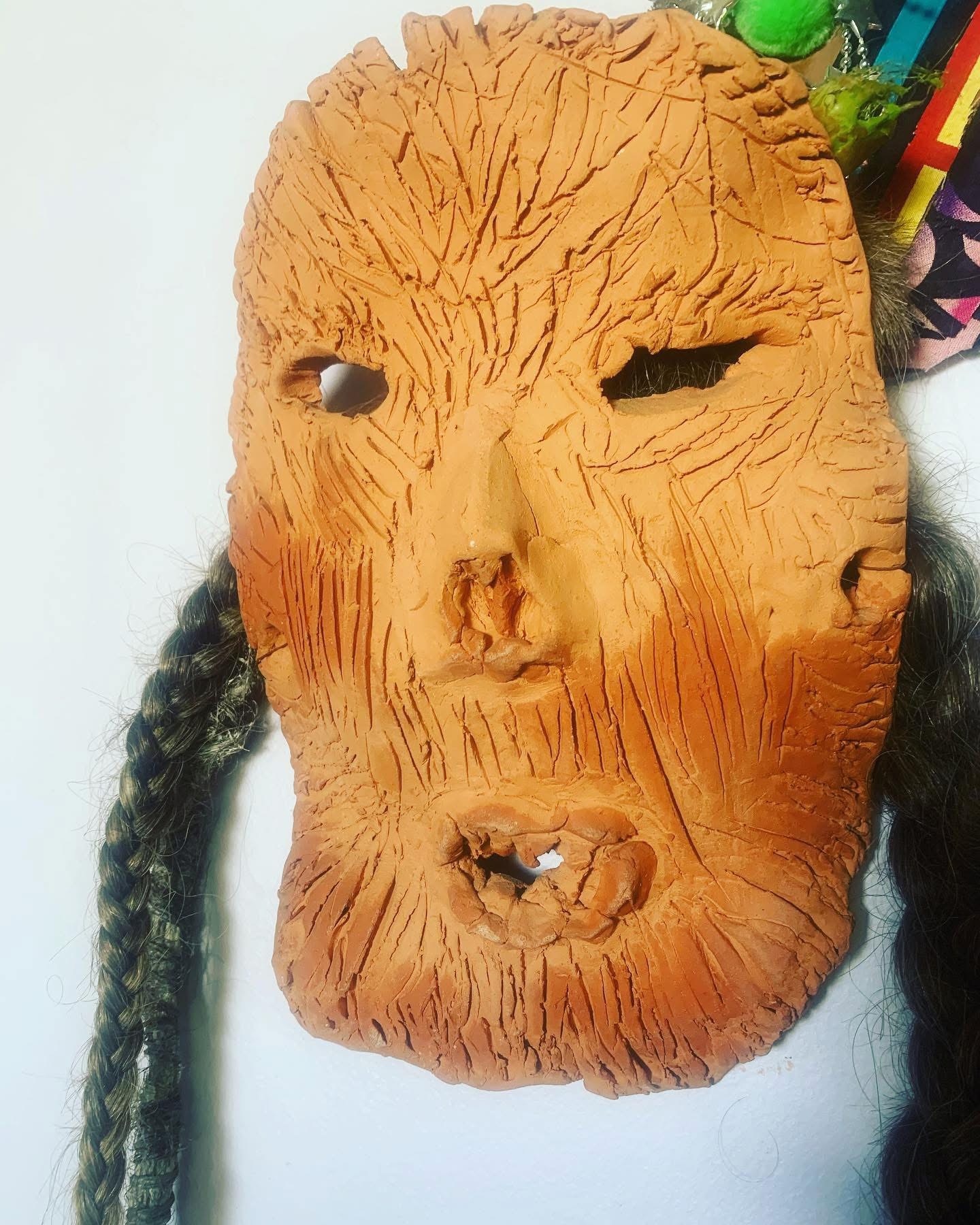 It was going to be a lark of a novel, a romp, and a way of capturing my children’s childhoods. I wrote it first as a diary, and then an editor warned me that Diary of a Wimpy Kid would kill it, so to write it as a traditional novel, because she loved the premise and the first draft. Then she left the publishing house, and it was inherited by a new editor, who didn’t love it. I rewrote it some more, and it was rejected by one and all in 2014, so that was that.


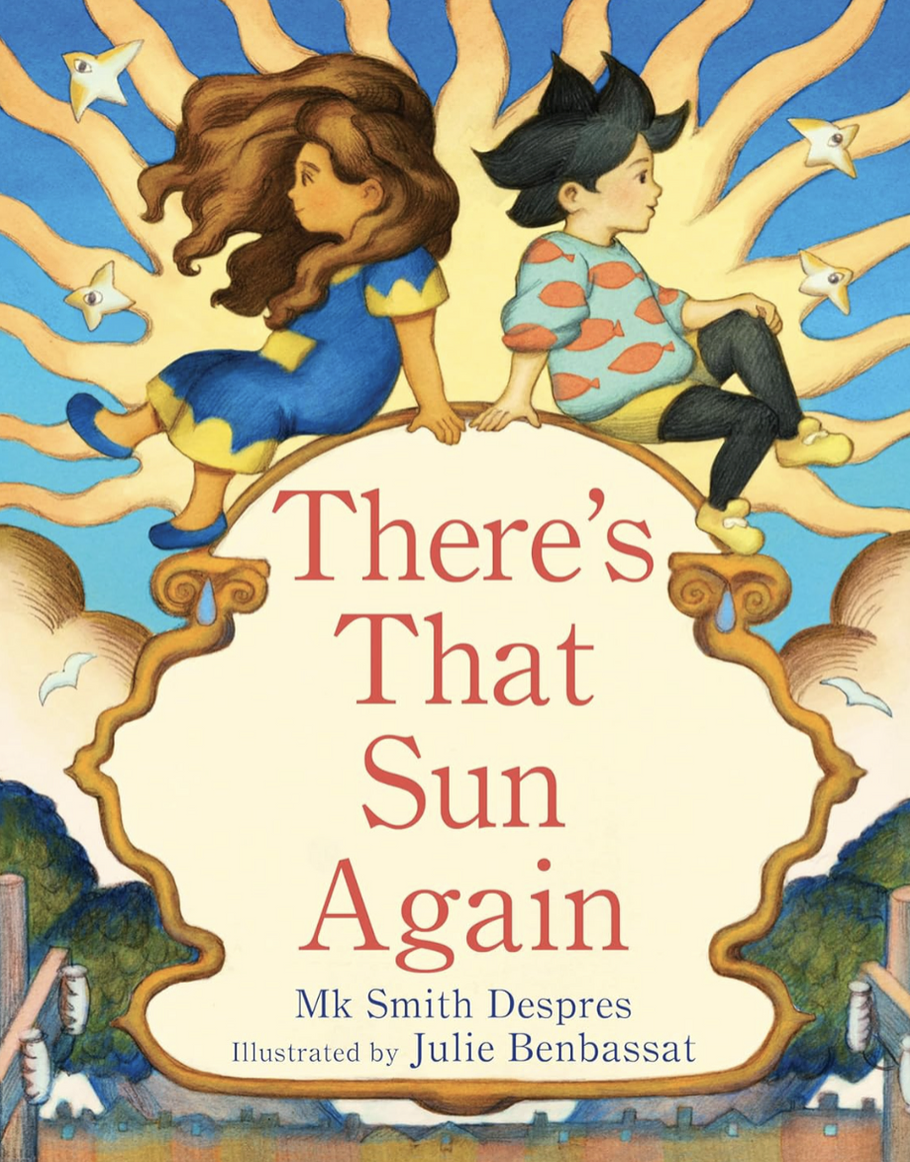
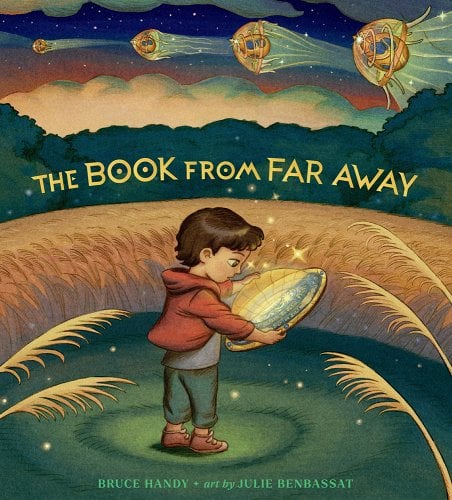
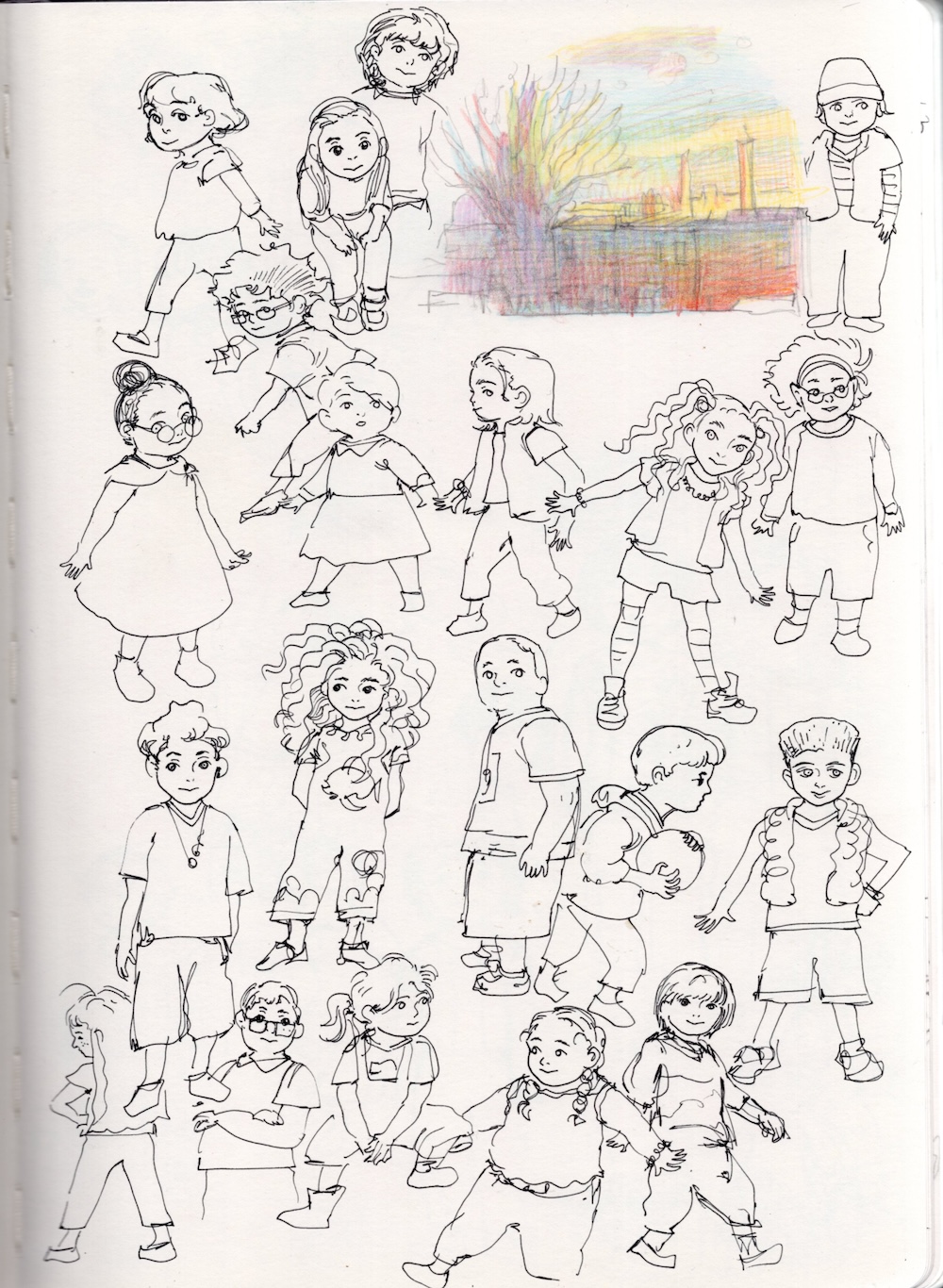
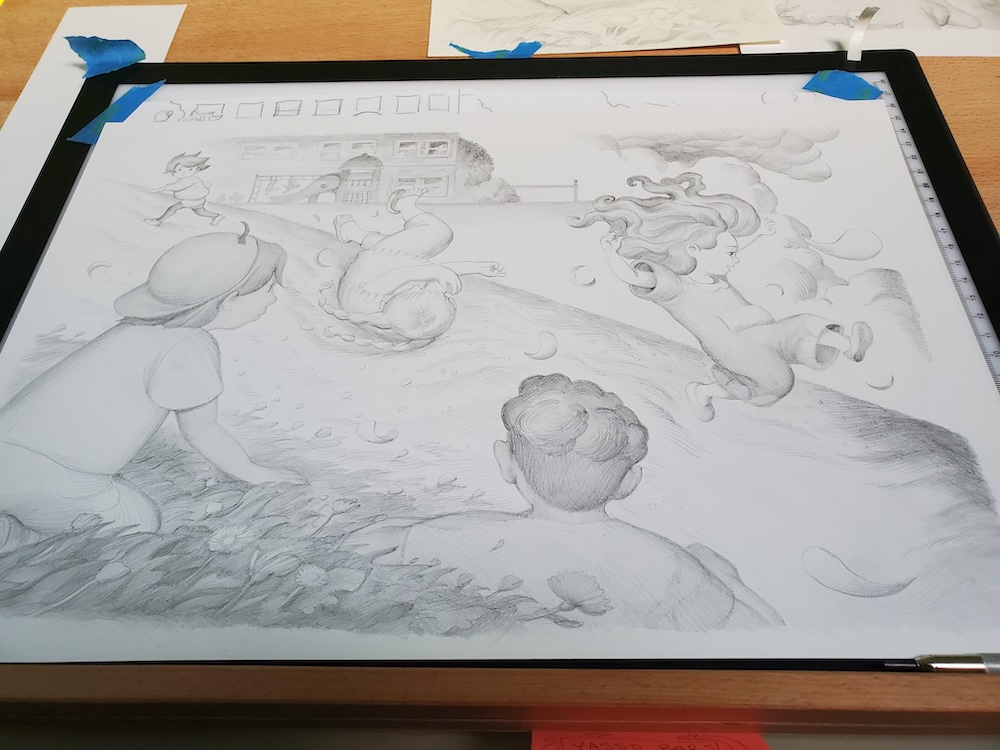
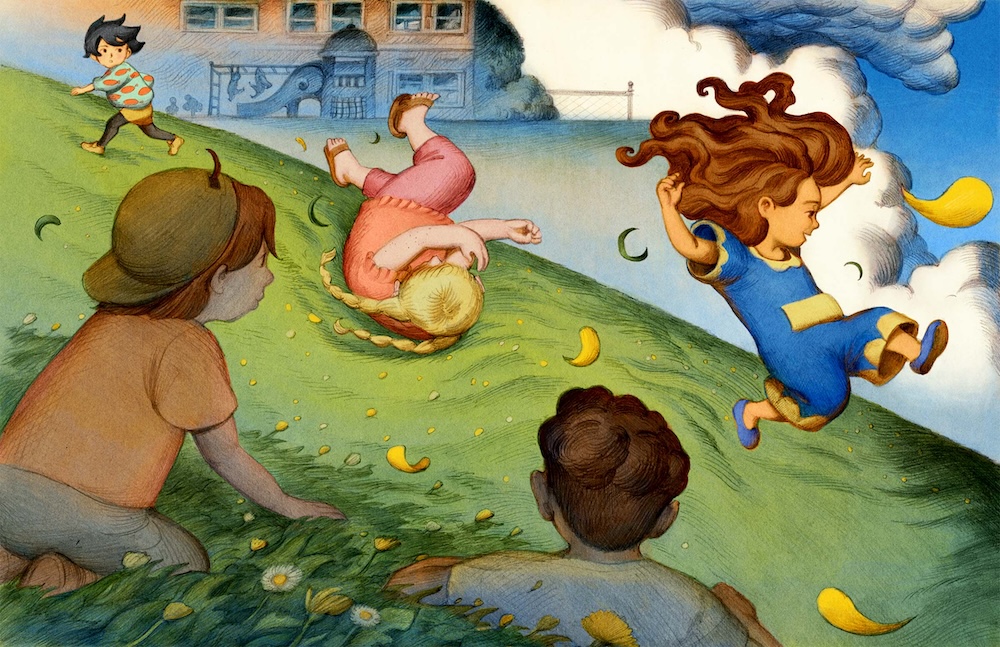
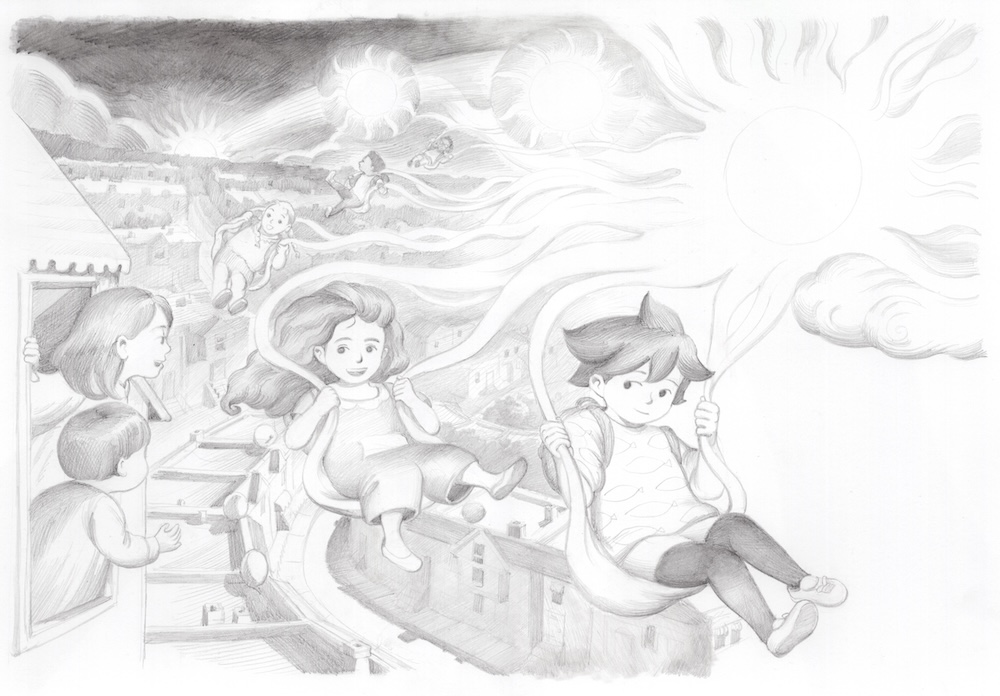
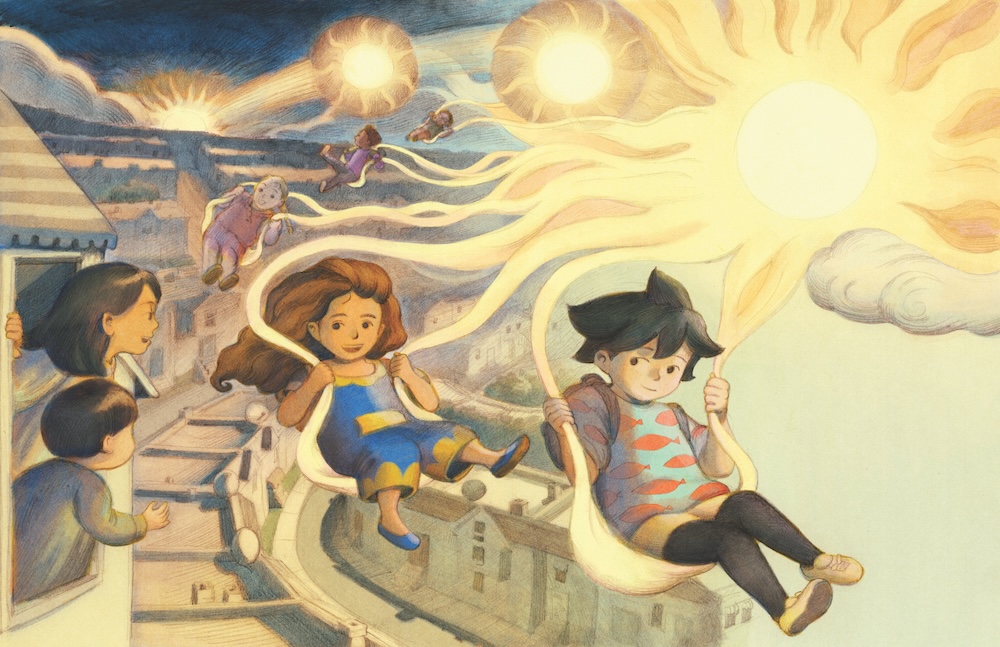
 e: What do you think makes an illustration magical, what I call "Heart Art” - the sort that makes a reader want to come back to look again and again? I’m looking for your definition of “Heart Art.”